


Cart
Your shopping cart is empty!
It's never too late to make things right :)


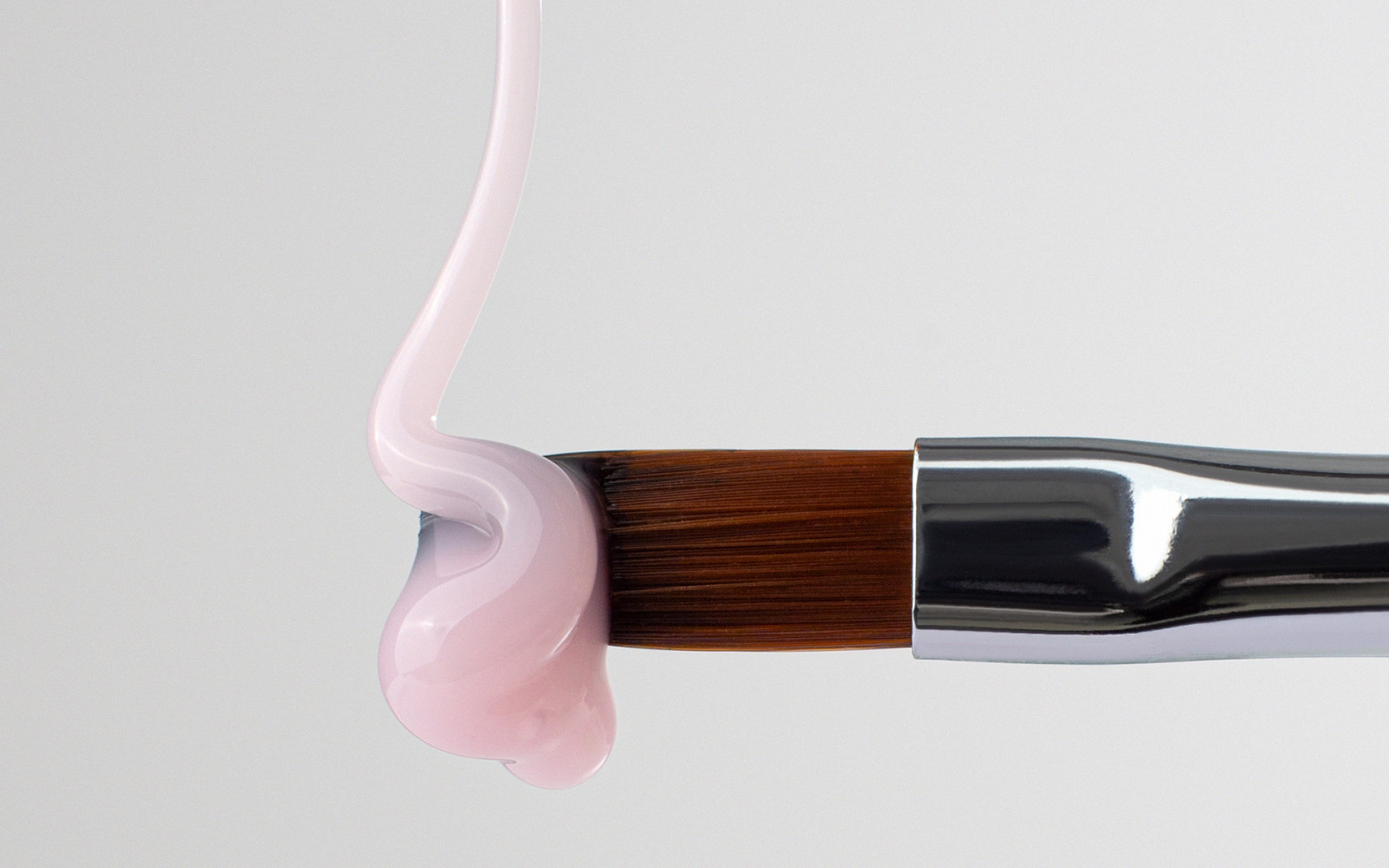
When a coating lifts ahead of schedule, technicians start looking for the cause in the base: they switch materials, try a different brand, check the lamp, and still get the same result. This happens when the problem isn’t with the base for gel polish itself, but with how it’s being used.
To make sure your clients’ manicures always last the full wear time, here are the top manicure mistakes worth knowing and avoiding.
A base for gel polish bonds to the nail chemically, not mechanically. For that contact to happen, the nail plate surface needs to be clean at a molecular level. Traces of cream, oil, a greasy remover, or even the natural gloss of the nail create an invisible film between the material and the plate that blocks adhesion. Base adhesion drops not because the base is underperforming, but because there is simply nothing for it to grip.
Proper nail preparation for base involves three steps: buffing to a matte surface, nail degreasing, and working with pterygium. That last step is frequently skipped. Pterygium in the cuticle zone and lateral grooves is soft tissue, not nail plate. Material applied over it has no contact with the nail. That is where "pockets" and sheet-lifting begin, looking as if the base never bonded at all.
Pterygium removal and nail degreasing must be done thoroughly. Why base peels off nails is most often answered right here at step one. To prevent base lifting, these two steps need to be completed to 100%.
Base flooding is something most technicians treat as a purely cosmetic issue. In reality, it is a safety concern.
Material that has polymerized on the skin increases the risk of sensitization. Each such contact gradually raises the tissue’s sensitivity to the material’s components. Even a client who has had no reaction to coatings for years can develop an allergy over time.
Most often for three reasons: too much material on the brush, incorrect hand position from the client, or the properties of the base itself. A self-leveling base spreads naturally, which is its main advantage: it levels the plate evenly and quickly on its own.
A thin base for manicure and a low acid base with a fluid consistency require particular care in application. DARK Pro Base, for example, has a near-liquid consistency, which is exactly why it levels so well and requires a minimal amount of material on the brush.
Every client has a different nail plate: thin or dense, flexible or rigid, short or long. A rigid base on thin, mobile nails doesn’t adapt to the plate’s natural movement and produces chips at the free edge. A soft base on long or weak nails doesn’t provide enough support, and the manicure won’t wear as well as it could, even with flawless application.
Choosing base for nail type is part of nail diagnostics. A base with good adhesion and the right flexibility parameters is selected to match the specific condition of the plate.
DARK Pro Base is flexible and non-rigid. It suits most clients with short to medium nails and delivers thin application with stable base adhesion. For very long, very thin nails, or a defined square shape, nail strengthening with base alone isn’t enough: a harder material is needed.
The full range of DARK bases is available on the site.
Technicians who are just starting out often assume that more base means better hold. In reality, the base, gel polish, and top coat together form the final coating thickness. Adding excess volume at the first layer means the finished manicure looks heavy and unnatural after gel polish and top coat are applied.
This is especially noticeable on short nails: any excess material immediately disrupts nail architecture and throws off the proportions. Thin application always looks neater and wears longer.
There is also a technical risk: a thick base layer polymerizes unevenly. The lamp cannot cure the material all the way through at full depth. The result is weak base adhesion, microchips, and increased burning in lamp for the client. The heat the client feels isn’t caused by the acidity of the material, but by the incorrect layer thickness and uneven heat distribution.
Imagine this: during the appointment the coating looks fine, sits evenly, the client leaves happy, and two weeks later she comes back with base lifting along the sidewalls. No clear explanation.
Here is why: camouflage base without undercoat creates an unstable bond with the natural nail. A low acid base (pH 6.5) is gentle on the plate and doesn’t cause burning in lamp or discomfort. But that same low acidity is the reason direct application without an undercoat gives unreliable adhesion.
For chemical bonding with the plate, a medium-acid base is needed: it opens the nail surface for contact with the next material. A camouflage base applied directly, without this step, never gets that contact.
Dehydrator → ultrabond → thin layer of Scotch Base (30 sec in lamp) → DARK PRO BASE
DARK Scotch Base is a clear medium-acid base designed specifically as an undercoat. Only a thin layer: in a thick layer it can cause a chemical burn. The thin layer resolves the adhesion question, and DARK Pro Base proper application always starts with it.
Bubbles in base form when air gets into the material. The most common cause is a sharp brush movement when dipping, or shaking the bottle before use. After polymerization, the bubbles rise to the surface and leave it uneven. No top coat will fully hide this.
The fix is simple: dip the brush slowly, and never shake the bottle.
Proper base for gel polish application ensures strong base adhesion, wearing comfort and aesthetic result. Especially important for DARK Pro Base proper application camouflage bases.